CentiPack
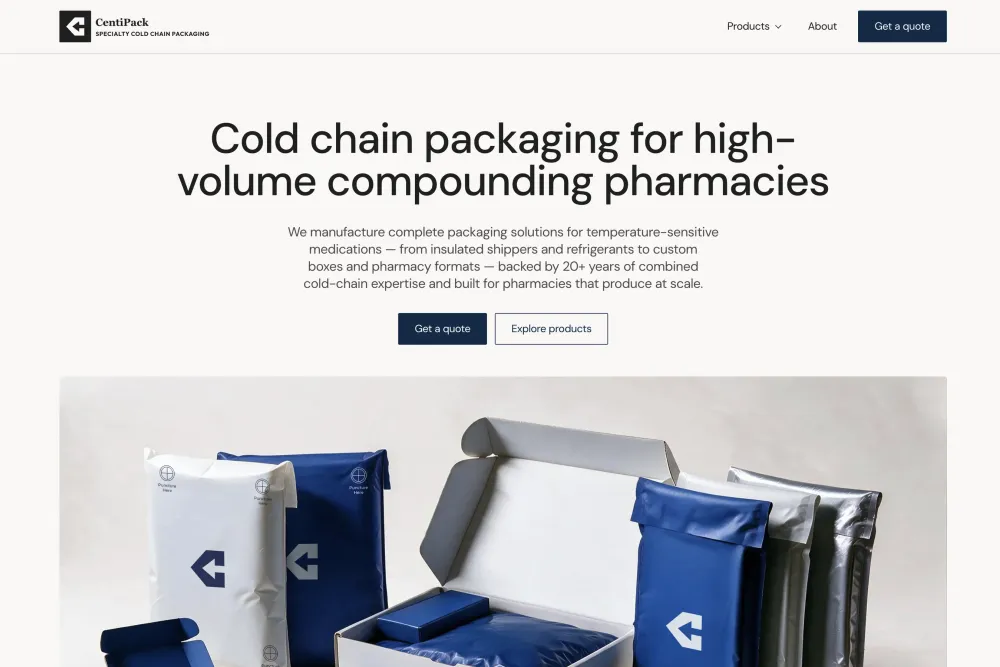
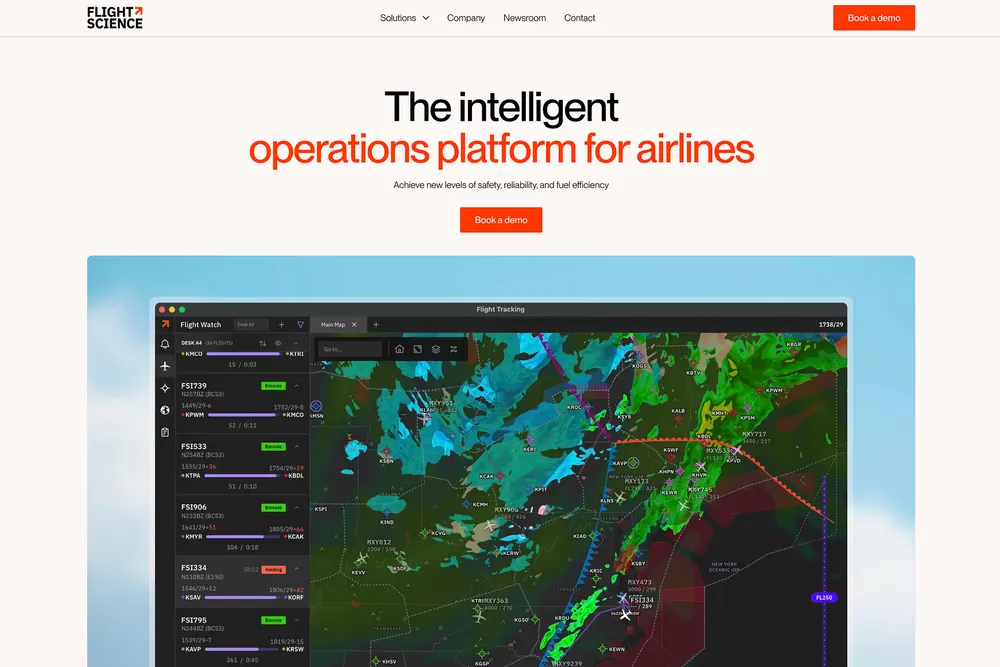
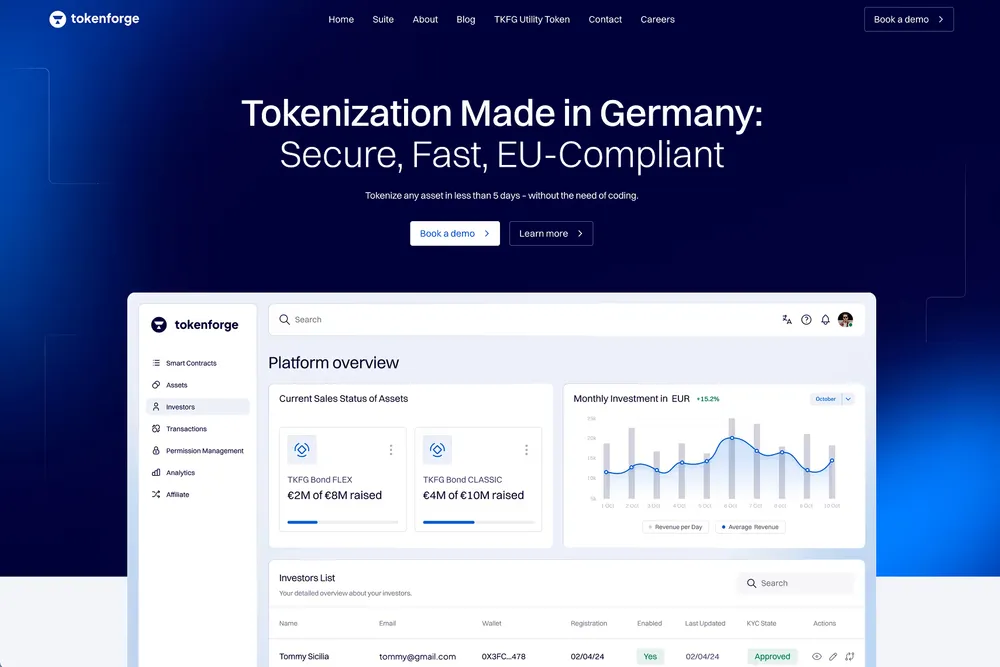
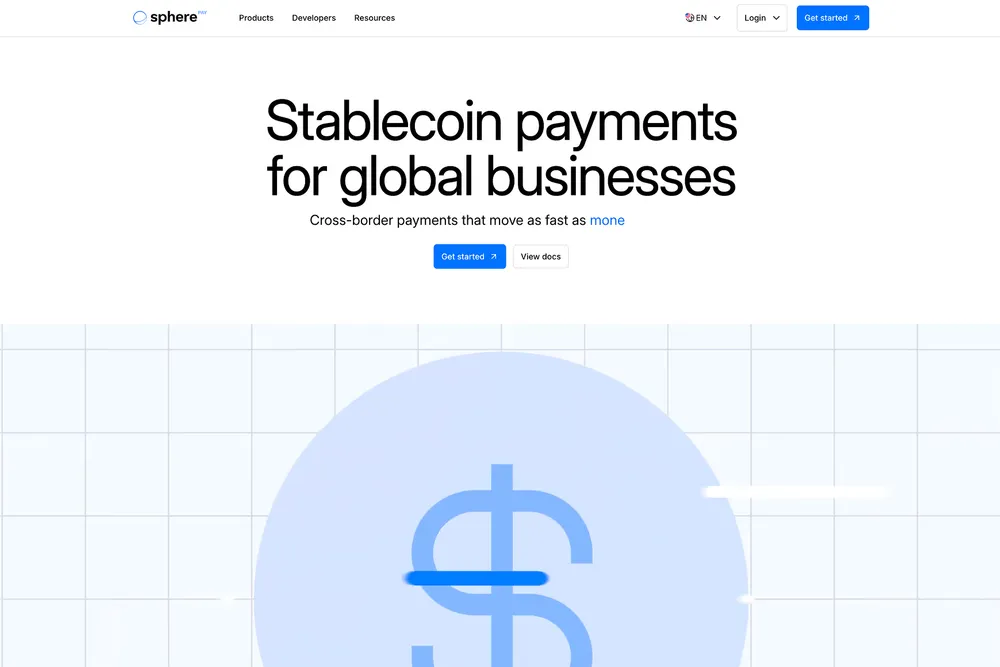
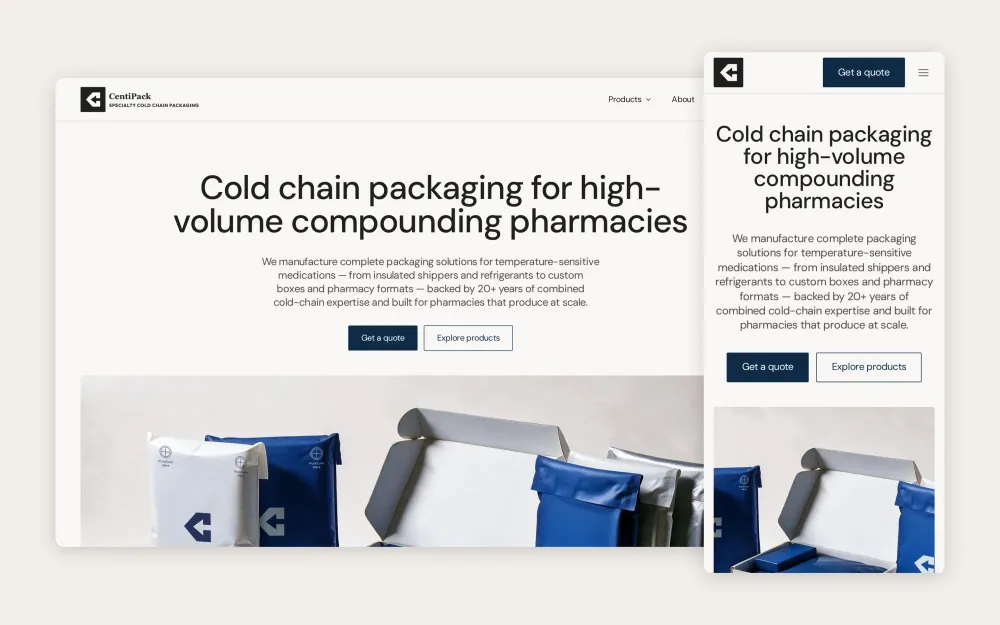
From a logo to a full marketing site in 10 weeks: design system, 12 product pages, AI product imagery and an Astro build that scored Lighthouse 100 on mobile at launch.
Full design and Astro build for a cold chain packaging supplier: strategy, design system, product imagery, and a site built to earn a pharmacy buyer's trust before the first call.
[ 01 ]
Brief
CentiPack sells cold chain shipping systems and pharmacy packaging to compounding pharmacies. The team came out of temperature-controlled warehousing through sister company Centigrade Logistics, and knows the work in depth.
They came to us with a logo and an AI-generated site that only assembled itself in the visitor's browser, so search engines and AI crawlers saw an almost empty page. The site also mixed product lines together and did not yet show the expertise behind them. High-volume pharmacy buyers tend to default to large, familiar suppliers, so CentiPack needed a marketing site that presented it as a serious partner before the first call.
We ran recorded working sessions with the three partners instead of questionnaires, and wrote from the transcripts. Two sessions in the first week settled positioning, audience, catalogue and sitemap, and a third reviewed drafts. The brief: make the site readable by crawlers, credible to an expert pharmacy buyer in under a minute, and clear about every product without turning it into a shop.
[ 02 ]
Solution
Positioning and path
We framed CentiPack as a consultative partner, not a vendor: the pharmacy owns the formulation; CentiPack owns everything around it. Early wireframes tested a store-like layout. Discovery made the right model clear: one contact path and an honest process from intro call to steady supply, without quote and sample buttons on every product.
Catalogue
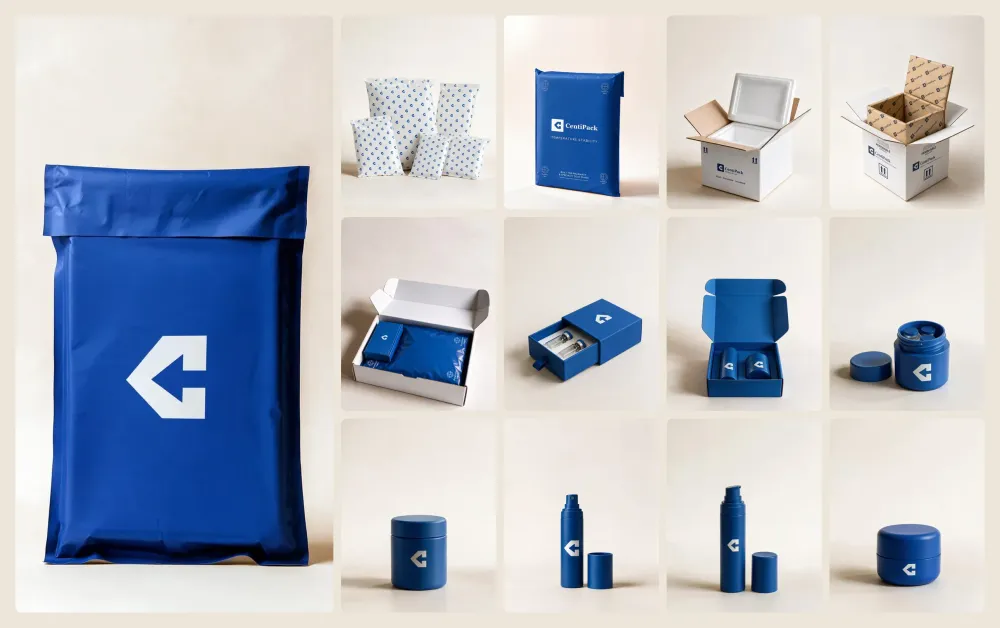
We organised products the way a package is built, outside in: Cold Chain and Shipping, Custom Boxes, Pharmacy Formats. Custom Boxes was missing from the first sitemap until a partner held up a branded vial box that fit neither cold chain nor formats. Promoting it to its own category turned an unseen line into a differentiator. Dozens of size and thickness combinations became 12 product pages with real spec tables, not dozens of near-duplicate URLs.
Design system
From the logo up: warm sand neutrals, black type, and a single ink navy reserved for interactive elements. Semantic colour tokens with light and dark themes, spacing and radius tokens, a 12-column grid, and shared components for cards, spec tables, FAQ and the global CTA. The CentiPack mark and brand blue stayed on branded product examples so buyers could see their own packaging.
Product imagery and video
The client gave us phone photos of real samples, shot inconsistently, with gaps across the catalogue. Pharmacy buyers are experts; an image that exaggerates a vial or a mailer is a broken promise. The client approved every image showing a single product. Contract rule: the product shown must be the product shipped.
Build
We shipped CentiPack on Astro with Outredge's house system (outredge-system): design tokens and section-based pages that load as plain HTML, with no JavaScript unless a section needs it. Static hosting on Cloudflare Pages, Formspark with Turnstile for contact, and the on-site SEO layer built in. Code and hosting sit in accounts the client owns. Live October 23, 2026; project closed November 3.
[ 03 ]
Asset production
We produced the full product set without a photoshoot. CentiPack had about 95 phone photos of real samples, taken at different times, on different backgrounds and in different light, and some products had no photos at all. We grouped them into nine product groups, mapped every gap, and planned 43 image slots before generating anything: for each of the 12 products a main shot, a size range at true relative scale, and a branded example, plus four site-wide scenes.
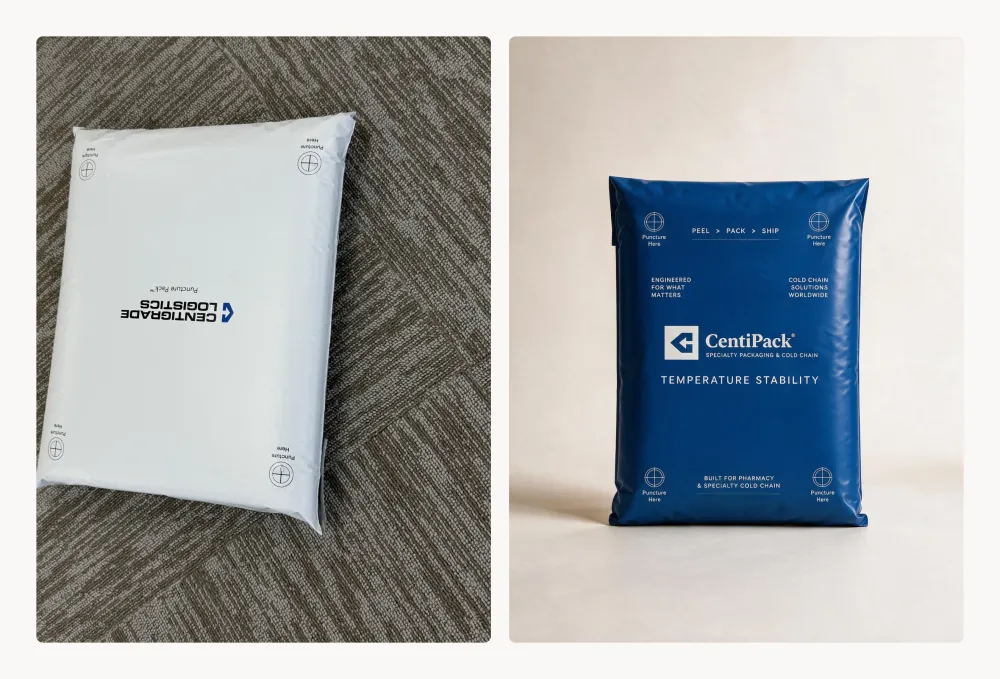
Every shot used one locked studio recipe: warm sand backdrop, soft frontal light, one contact shadow, a 4:5 frame with room for card headings, and the camera raised so open boxes show their contents. Real samples went in as reference images, so shape and proportions came from the actual product. Seedream 5.0, run through Figma Weave, generated blank scenes with no text or logos, and the CentiPack mark went on in a separate pass, checked by eye. Anything that drifted in geometry or label was fixed or regenerated, and multi-size comparisons were composited by hand at true scale.
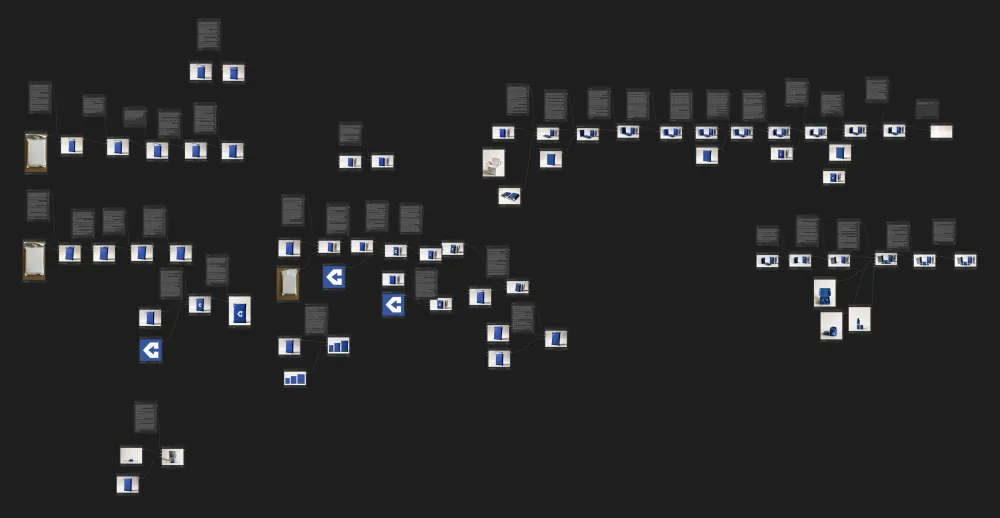
Each product had its own branch in Weave, from reference photo to approved image, so every result can be traced back to a real sample. Later in the project we ran generation from chat with an agent in the same system, so new products and the multi-product hero scenes took minutes. The client already had two AI product videos. The story in them was right, but they looked rough and did not match the new imagery. We kept the storyline, built new scenes from the approved product renders, and rendered the videos again from those renders, so every frame matches the stills on the site. We made the third video from scratch, building its scenes from the same product renders. That gave CentiPack three short product videos, including the mailer that expands when its tab is pulled.
[ 04 ]
What shipped
A full marketing site, from positioning and catalogue to a studio-consistent image set, three product videos and a static Astro build. Search engines and AI assistants can read every page on the first request, with product and organisation schema, one URL per product, redirects from the old site and the retired Centigrade Logistics packaging page, and llms.txt.
Client words
Ariel Nelson
Principal, CentiPack
“What really stood out was his attention to detail and unwillingness to settle for anything less than excellent. We couldn't recommend him more highly and will undoubtedly work with him again.”
Next case · 02
Teal Health
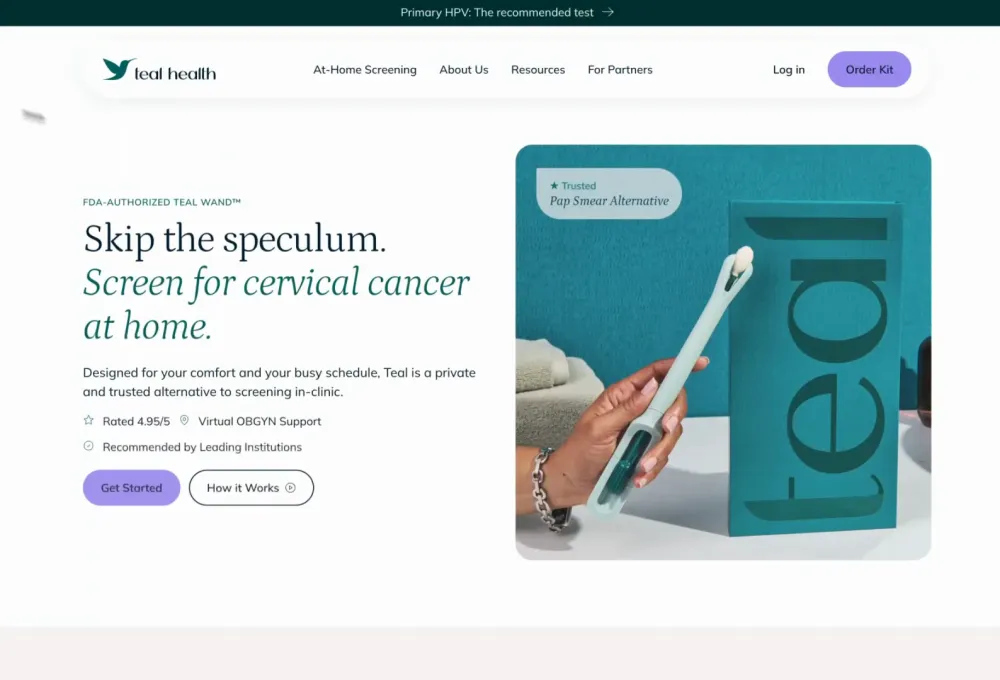
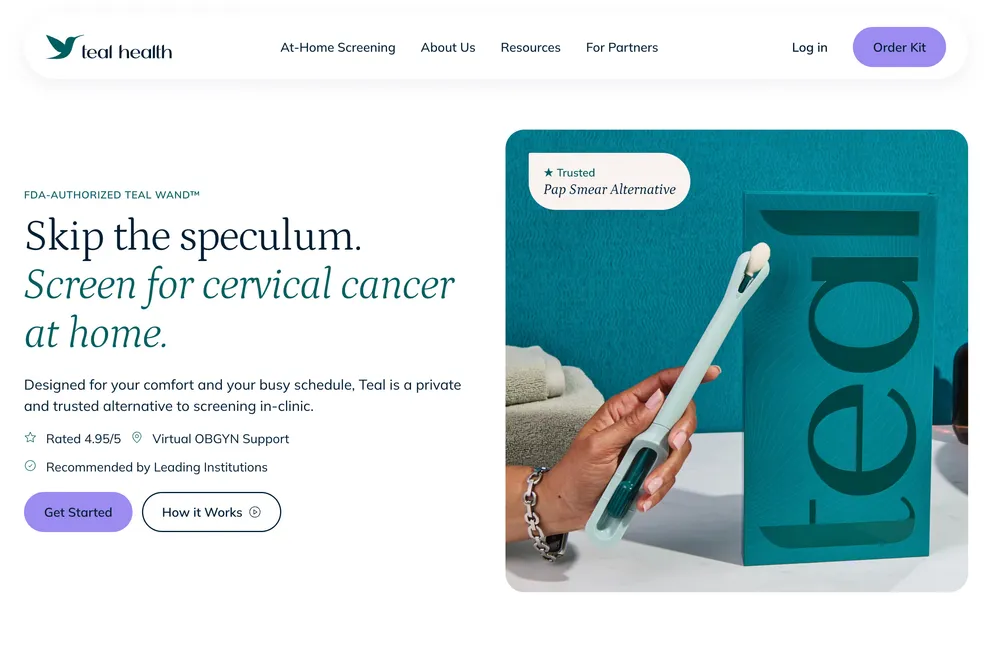
A 30-page redesign and Webflow build, with a shared design system, accessibility improvements, and passing mobile Core Web Vitals.